

 Letters / Newsletters
Wellbeing
Wellbeing information about our school.
We are committed to supporting the positive mental health and wellbeing of our whole school community (children, staff, parents and carers). We have a skilled and experienced team focussed on well being: Mrs Maxwell (Head Teacher, Designated Safeguarding Lead and Senior Mental Health Lead), Jan Gurkin (Family Support Worker), Mrs Taylor (Pastoral Lead) and Mrs Lilley (SENDCO)
We have a supportive and caring ethos and our approach is respectful and kind, where each individual and contribution is valued. We endeavour to ensure that children are able to manage times of change and stress and aim to ensure that they are supported to reach their potential or to access help when they need it.
We also have a role to ensure that children learn about what they can do to maintain positive mental health, what affects their mental health, how they can help reduce the stigma surrounding mental health issues, and where they can go if they need help and support.
At our school we know that everyone experiences life challenges that can make us vulnerable and at times, anyone may need additional emotional support. We take the view that positive mental health is everybody’s business and that we all have a role to play.
Promoting positive mental health
At Corpus Christi, we take a whole school approach to promoting positive mental health, aiming to help children become more resilient, happy and successful and to work in a pro-active way to avoid problems arising.
We do this by:
- Creating and applying consistent ethos, policies and behaviours that support mental health and well-being.
- Adhering to a positive, restorative approach to behaviour management.
- Helping children socially to form and maintain relationships.
- Helping children to feel comfortable about sharing any concerns or worries.
- Teaching children emotional skills and an awareness of mental health so that they understand their emotions and feelings better.
- Promoting self-esteem and ensuring children understand their importance in the world.
- Helping children to be resilient learners and to manage setbacks.
- Identifying children who have mental health challenges and planning support to meet their needs, including working with specialist services, parents and carers.
- Supporting and training staff to develop their skills and their own resilience.
- Developing an open culture where it’s normal to talk about mental health.
We promote a mentally healthy environment through:
- Promoting our school values and encouraging a sense of belonging.
- Promoting pupil voice and opportunities to participate in decision-making.
- Celebrating academic and non-academic achievements.
- Providing opportunities to develop a sense of worth through taking responsibility for themselves and others.
- Providing opportunities to reflect.
- Enabling access to appropriate support.
- Mental Health and PSHE for all year groups
- Wellbeing week and access to information around the school
We pursue our aims through:
- Universal, whole school approaches
- Support for pupils going through recent difficulties including bereavement.
- Specialised, targeted approaches aimed at pupils with more complex or long-term difficulties including attachment disorder.
- Nurture groups to focus on mental health, resilience and wellbeing.
Teaching about Mental Health
The skills, knowledge and understanding needed by our pupils to keep themselves mentally healthy and safe are included as part of our developmental PSHE curriculum. The specific content of lessons will be determined by the specific needs of the cohort we’re teaching but we will also use our PSHE/RSE curriculum to ensure that we teach mental health and emotional wellbeing issues in a safe and sensitive manner.
Early Identification and Warning Signs
All staff will be vigilant in identifying a range of possible difficulties that may be contributing to a pupil’s poor mental health, including:
- Attendance
- Relationships
- Approach to learning
- Physical indicators
- Negative behaviour patterns
- Family circumstance
- Recent bereavement
- Health indicators
School staff may also become aware of warning signs which indicate a pupil is experiencing mental health or emotional wellbeing issues. These warning signs should always be taken seriously and staff observing any of these warning signs should communicate their concerns with the designated child protection and safeguarding officer or the emotional wellbeing lead as appropriate.
Possible warning signs include:
- Changes in eating/sleeping habits
- Becoming socially withdrawn
- Changes in activity and mood
- Talking about self-harm or suicide
- Expressing feelings of failure, uselessness or loss of hope
- Repeated physical pain or nausea with no evident cause
- An increase in lateness or absenteeism
Assessment, interventions and support
All concerns are reported to the designated adults within school and needs are assessed through a triage approach with SLT, class teachers and SENDCO to ensure the child gets the support they need, either from within the school or from an external specialist service, as quickly as possible.
| Page Views | 1234
Updated | 12th July, 2024 |
Latest News
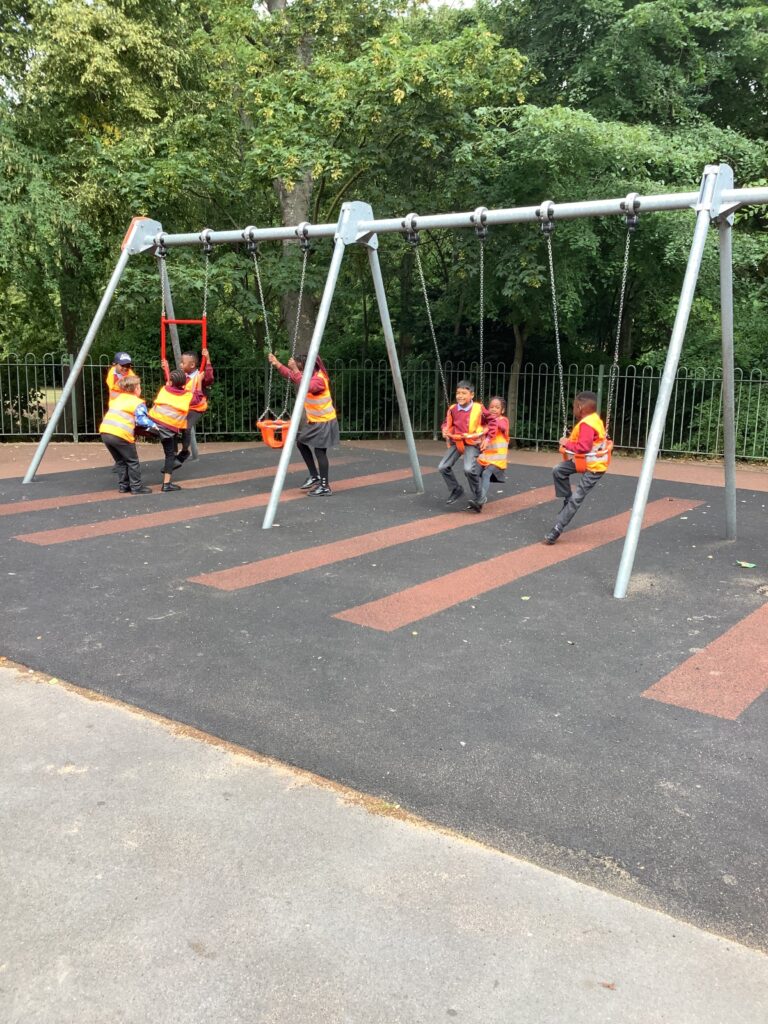
End of Year Trip
This week Year 1 visited Saltwell Park to celebrate a wonderful year shared together. At the park we went to see the animals- we were very lucky and got to see the animals being fed! After that, we went into the play area and had so much fun playing together in the sand, on the […]
Published: July 17, 2026

Year 2 take action to protect our environment
This term, Year 2 delivered a fantastic assembly all about protecting our environment, with a special focus on plastic pollution. After reading the inspiring story We Are Water Protectors, the children became passionate about looking after our planet and wanted to help spread awareness about the importance of protecting our environment. They worked hard to […]
Published: July 17, 2026

Sporting Success at Corpus Christi
Our pupils had an amazing time representing the school at the annual Gateshead School Sports Athletics Festival, taking part in a wide range of track and field events throughout the day. We are incredibly proud to announce that this was our most successful year ever at the athletics festival! Our talented athletes achieved a record-breaking 23 medals across a variety […]
Published: July 16, 2026


The Bishop Wilkinson Catholic Education Trust is an exempt charity. It is a company limited by guarantee registered in England and Wales under company registration number 07890590. The registered office address is Bishop Wilkinson Catholic Education HQ, Barmston Court, Turbine Business Park, Nissan Way, Washington, SR5 3NY.